

Man Convicted in UNC Student's Murder After 14-Year Wait
By Riley Monroe. Oct 31, 2026
A North Carolina jury convicted a man of murdering University of North Carolina student Faith Hedgepeth 14 years after she was found dead in her off-campus apartment. Prosecutors relied heavily on DNA and other forensic evidence, while the defense argued that investigators had wrongly centered their case on the accused.
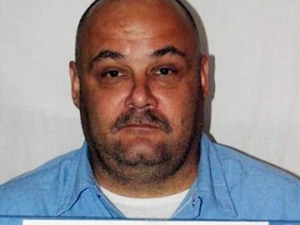
Miguel Salguero Olivares, 33, was found guilty October 23 of first-degree murder, rape, sexual offense and burglary in the September 2012 killing of Hedgepeth, who was 19. He was sentenced to life in prison without parole for murder, in addition to prison terms imposed on the other convictions, according to The Associated Press.
The verdict followed years in which the case remained unresolved despite public attention and extensive investigative work. Authorities arrested Salguero Olivares in 2021 after obtaining a DNA sample following a traffic stop and comparing it with evidence from the earlier case.
A DNA sample breaks an old case
Hedgepeth was a sophomore at UNC-Chapel Hill when she was found dead in an apartment away from campus. Her killing remained unsolved for years, during which police retained evidence from the scene and considered possible leads.
Prosecutors said that after a later traffic stop, investigators obtained a DNA sample from Salguero Olivares. They alleged the sample matched biological evidence associated with Hedgepeth’s killing. The arrest years after the crime became a defining step in the prosecution’s chronology.
At trial, prosecutors introduced DNA evidence from several locations, including material recovered from Hedgepeth’s body. They also discussed a rum bottle believed to have been used in the attack and a note on a fast-food bag found at the apartment, according to AP reporting.
Fingerprints and a palm print associated with the defendant were also introduced in connection with an item at the scene. The presentation of multiple forms of evidence gave jurors more than a single laboratory result to evaluate, though each item remained subject to dispute about its meaning and collection.
The defense challenges the investigation
Salguero Olivares did not testify. His attorneys rested without calling witnesses, according to AP coverage. The defense argued that investigators had shown tunnel vision and questioned whether evidence handling and interpretation justified a murder conviction.
The defense also suggested a consensual encounter could explain some forensic material. That claim was part of the courtroom argument, not a jury finding. Prosecutors disputed the alternative explanation and urged jurors to connect the forensic evidence with the circumstances of Hedgepeth’s death.
ABC11’s live reporting, also carried by ABC7, reported that jurors asked to review summaries of DNA and latent-print reports during deliberations. The judge granted that request on October 23, and jurors returned their verdict later that day. Their request offers a documented glimpse of the evidentiary questions before them, without disclosing private deliberations.
Verdict after years of uncertainty
Jurors deliberated for approximately six hours over two days, according to The Associated Press. They convicted Salguero Olivares on all four major counts. The verdict established his guilt under the criminal standard, replacing the unresolved accusation with a jury’s decision.
Hedgepeth’s parents spoke about the loss and the difficulty of living through the long case. AP reporting said they also discussed forgiveness in personal terms after the verdict. Their statements provided a family perspective different from the competing forensic arguments presented at trial.
Salguero Olivares received life without parole for the murder count, with additional sentences on the other convictions. The criminal verdict concludes the trial stage, although any subsequent appeal would be a separate legal process.
References: Associated Press | ABC7 Live Trial Coverage | Jury convicts man of rape, murder 14 years after college student’s death

The News Command team was assisted by generative AI technology in creating this content
Trending






Read More


Read More

Read More

Read More



Read More

Read More

Read More


Read More

Read More

Read More

Read More

Read More

Read More