RFK Jr. Backs Access to Six Unapproved Peptides
By Cameron Hale. Nov 2, 2026
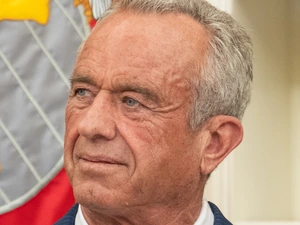
Caption: Robert F. Kennedy Jr. as U.S. Secretary of Health and Human Services at the White House. Credit: Joyce Boghosian, Official White House Photo / Public domain, via Wikimedia Commons.
The Trump administration released a draft policy on October 28 that would temporarily permit certain compounding pharmacies to supply six unapproved peptides despite objections raised by career Food and Drug Administration scientists. Health Secretary Robert F. Kennedy Jr. has pushed for broader access to the substances, which are promoted for conditions ranging from inflammation to sleep problems.
Peptides are short chains of amino acids that can act as signals in the body. Some peptide medicines have undergone the FDA’s approval process; the six products in this proposal have not. The draft concerns when compounding and dispensing may occur while the government develops more permanent policy, not approval of the products as proven treatments.
Six substances named in the proposal
According to The Washington Post’s reporting on the draft, the substances are BPC-157, promoted for ulcerative colitis; Epitalon, promoted for insomnia; KPV, promoted for inflammation and wound healing; MOTS-c, promoted for obesity and osteoporosis; Semax, promoted for migraine and certain neurological conditions; and TB-500, promoted for wound healing. These are proposed uses, not findings that the products safely or effectively treat those conditions.
Compounding pharmacies prepare medications for individual patients. The proposed temporary pathway would allow qualifying pharmacies to dispense the specified peptides subject to conditions involving sourcing, labeling and adverse-event reporting. Patient-specific prescriptions would link dispensing to individual patients rather than unrestricted retail availability. The scope of participating facilities and the precise conditions remain important to how the proposal would operate.
FDA scientists raised objections
The policy emerged after disagreements within federal health agencies. The Washington Post reported that FDA career scientists had found insufficient evidence of safety and effectiveness to support compounding seven peptides. An FDA advisory committee subsequently recommended six, despite concerns about the evidence and questions regarding possible industry ties among some committee members.
Officials at HHS say widening regulated access could reduce purchases from foreign suppliers that may pose safety risks. Supporters of compounding access contend patients and clinicians should have more options. Critics emphasize the limited clinical evidence and risks that can arise from product quality, dosing and unknown adverse effects.
Kennedy’s office drove the draft policy, according to the Post, rather than the FDA itself. AP reported that six people familiar with its development described limited input from FDA scientific staff. The disagreement therefore concerns both the evidence for the products and the role of the agency’s scientific staff in shaping the access policy.
The proposed approach relies on enforcement discretion rather than ordinary drug approval. It concerns which activities federal regulators would prioritize for enforcement while permanent rules are developed. For a pharmacy, that makes the proposal’s status and conditions important; for a patient, it means availability would not represent a federal determination that the advertised treatment benefits have been demonstrated.
The document is not yet a final, permanent rule. A two-week comment period is expected after its publication in the Federal Register. Whether the proposed conditions change in response to comments, and what permanent federal rules ultimately permit, remain open policy questions.
References: RFK Jr. eases access to unproven peptides despite opposition from FDA scientists | RFK Jr. plans to make 6 unapproved peptides available for temporary sale | FDA scientists opposed the Trump administration’s effort to ease peptides access

The News Command team was assisted by generative AI technology in creating this content
Trending






Read More


Read More

Read More


Read More



Read More


Read More