The World Cup Came to America. Most Fans Couldn't Afford a Ticket.
By Cameron Hale. Jul 13, 2026
The Average Cheapest Ticket Cost More Than a Month of Groceries
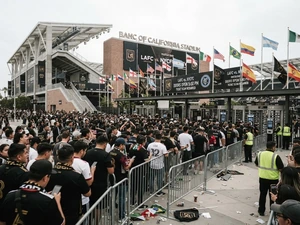
When the 2026 FIFA World Cup kicked off across American cities in June, fan expectations collided quickly with ticket realities. The average cheapest available ticket for group-stage games in cities like Los Angeles and Dallas was running above $1,000 on FIFA’s resale platform. That figure, which ESPN noted was roughly double what the average American spends on food in a month, had not come about through a secondary market alone.
FIFA had raised prices for more than 90 of the tournament’s 104 matches between October 2025 and April 2026, with average ticket prices in the main categories rising 34 percent during that period. Final tickets on the resale market were listed at prices exceeding $2 million. Trump commented on the situation, saying publicly that he would not pay the going prices either.
Attorneys General Subpoena FIFA
On May 27, the attorneys general of New York and New Jersey jointly subpoenaed FIFA as part of a consumer protection investigation into the tournament’s ticketing practices. New York Attorney General Letitia James said fans deserved a fair shot at affordable tickets and that no one should be manipulated into paying sky-high prices for seats they could not trust would match their purchase.
New Jersey Attorney General Jennifer Davenport described the experience of buying World Cup tickets as “a gauntlet of confusion, fake scarcity, and impossibly high prices.” The California attorney general separately sent FIFA a formal letter seeking information about its practices. FIFA declined to comment on the subpoena.
A Seat Category Scandal
Beyond the overall price level, a specific complaint emerged about seat location misrepresentation. FIFA’s initial ticket sales divided MetLife Stadium into four zones labeled Category 1 through Category 4, with Category 1 being the most desirable. After many fans had already bought tickets, FIFA created new Front Category zones within each of the original four categories.
Fans who had paid Category 1 prices found themselves assigned to sections that no longer corresponded to the most desirable seats, which had been reclassified into the more expensive Front Category zones. Some buyers who paid top prices reported receiving seats far from the field or behind the goals. The attorneys general investigation is examining whether this practice constituted deceptive marketing under consumer protection law.
Economic Surge With Limits
The pricing controversy did not stop the broader economic activity the tournament was generating. Bank of America card data showed overall consumer spending in the 16 host cities running 6.3 percent above the same period last year. Non-local visitor spending, meaning fans arriving from other cities and countries, was up 16.7 percent year over year.
But the international visitor turnout was lower than initial projections. Domestic travelers accounted for nearly 70 percent of flight bookings to host cities, according to travel data company Sojern. The U.S. Travel Association projected that international visitors would spend an average of more than $5,000 per person - significantly more than domestic tourists - making the shortfall in international arrivals relevant to the tournament’s overall economic footprint. Several consumer advocacy groups and immigration attorneys had issued caution advisories to foreign visitors ahead of the tournament.
A $50 Lottery and an Unresolved Investigation
New York City Mayor Zohran Mamdani secured 1,000 tickets at $50 each through a lottery for city residents, calling it an attempt to ensure sports did not become a luxury commodity. The lottery covered earlier-round matches, not the final, and represented a small fraction of MetLife’s 82,500 capacity.
The attorneys general investigation is still ongoing as the tournament enters its final weeks. The World Cup final is scheduled for July 19 at MetLife Stadium in East Rutherford, New Jersey. FIFA has maintained that its pricing strategy spans a broad range of price points and reflects market demand. The investigation will determine whether that explanation satisfied consumer protection requirements for transparency and accurate representation.
References: Sky-High World Cup Ticket Prices Spark Investigation by NY and NJ Attorneys General | World Cup Sticker Shock: The Ugly Cost of the Beautiful Game’s Grand Event | World Cup Delivers Early Economic Boost for Host Cities

The News Command team was assisted by generative AI technology in creating this content
Trending
Read More
Read More

Read More

Read More

Read More
Read More
Read More
Read More

Read More

Read More
Read More

Read More

Read More
Read More
Read More
Read More