
Roommate Held in Stabbing Deaths of Two USF Doctoral Students from Bangladesh
By Avery Collins. May 1, 2026
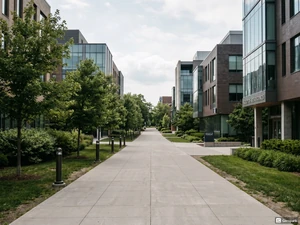
Nahida Bristy, 27, a chemical engineering doctoral student, and Zamil Limon, 27, a geography and environmental science doctoral student-both from Bangladesh-were last seen on April 16, 2026, near the University of South Florida campus in Tampa. Bristy was seen on surveillance video at noon on campus, while Limon was last seen at approximately 9 a.m. at his apartment in Avalon Heights, an off-campus student housing facility. The students were reported missing on April 17 after family friends and colleagues could not reach them. Over the following week, investigators mounted search operations at multiple locations. On April 24, Limon’s remains were found in a trash bag on the Howard Frankland Bridge. On April 26, Bristy’s remains were discovered by a kayaker in mangroves near the bridge in an advanced state of decomposition. Both bodies bore multiple stab wounds.
Evidence of Premeditation
Hisham Abugharbieh, 26, Limon’s roommate and a former USF student, was arrested on April 26 and is being held without bond on two counts of first-degree premeditated murder and multiple related charges including unlawful moving of a dead body and evidence tampering. Court documents filed by prosecutors outline extensive evidence of premeditation. In the days before the killings, Abugharbieh made multiple purchases on Amazon including duct tape, trash bags, lighter fuel, and fire starters. Phone records show he searched ChatGPT with the query, “What would happen if a human body was put in a garbage bag and thrown in a dumpster?” according to prosecutors’ filings. ChatGPT responded with a warning that the query “sounded dangerous.”
Crime Scene and Body Disposal
Investigators determined that the students were murdered in or near the Avalon Heights apartment and disposed of in separate locations. When apartments managers granted detectives access to the apartment, investigators found extensive blood evidence. Blood residue was traced from the kitchen through hallway areas to Abugharbieh’s bedroom, where bedroom carpet was saturated with blood. In Limon’s bedroom, detectives recovered Bristy’s campus ID and credit cards. In the apartment’s trash compactor, investigators discovered Limon’s student ID, glasses, wallet, credit cards, and bloodied clothing bearing what appeared to be stab wounds. A CVS receipt dated April 16 at 10:47 p.m. was found in the dumpster front of the apartment, itemizing purchases including trash bags, Lysol wipes, Febreze, and cleaning supplies. Investigators also recovered silver duct tape with blood on the interior and tissue residue.
The Victims and Institutional Context
Zamil Limon had been pursuing a doctoral degree in geography, environmental science and policy since fall 2024. According to his brother, Zubaer Ahmed, Limon “was very decent and a very simple person” who had been working on his thesis studying generative AI applications for monitoring wetlands in South Florida. He had planned to return to Bangladesh upon completing his PhD to pursue a career in university teaching. Nahida Bristy had earned a master’s degree in engineering from the Bangladesh University of Engineering and Technology and held a bachelor’s degree in applied chemistry and chemical engineering from Noakhali Science and Technology University. College officials described her as a “talented and promising student.” Both students had planned to travel to Bangladesh during their summer break. Prosecutors are considering pursuing the death penalty in the case. The Hillsborough County Sheriff’s Office said both bodies are being returned to their families in Bangladesh for burial rites.
References: University of South Florida Students Found Dead; Roommate Charged with Murder | Missing USF Students Found Dead; Investigation Reveals Premeditated Murder | Two USF Doctoral Students Found Dead; Roommate Faces Murder Charges

The News Command team was assisted by generative AI technology in creating this content
Trending



Read More

Read More
Read More

Read More



Read More
Read More

Read More
Read More
Read More

Read More

Read More
Read More

Read More

Read More