Hantavirus Outbreak Aboard Cruise Ship Sparks International Emergency Response
By Jordan Mercer. May 14, 2026
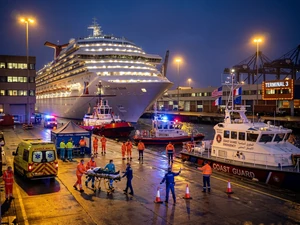
When hantavirus cases emerged aboard the MV Hondius cruise ship in early May 2026, what began as a contained incident rapidly escalated into an international public health crisis. The Dutch vessel, carrying 147 passengers and crew members, became the epicenter of a coordinated response involving health authorities across 23 countries, the CDC, and military medical units.
The Centers for Disease Control and Prevention deployed a team to assist with containment and medical management. Spanish health authorities, on whose coast the ship initially docked, coordinated evacuation procedures with international partners. The British Army deployed medical personnel via helicopter to assist with patient triage and isolation protocols.
The Scale of the Outbreak
Three deaths were reported in connection with the outbreak, with 23 additional confirmed cases aboard the vessel. The disease, while dangerous, remains controllable with proper medical management and isolation protocols. The CDC characterized the threat of widespread outbreak as low, though the institutional response emphasized caution and comprehensive containment measures.
Passengers and crew faced extended isolation protocols as health authorities worked to identify additional cases and prevent transmission. The emotional toll of evacuation, medical testing, and mandatory quarantine weighed on individuals separated from family and home for weeks following the incident.
Coordinated International Response
The evacuation and medical response required unprecedented coordination across national borders. Tenerife, Spain, served as the primary evacuation and holding location. American citizens were transported to a specialized biocontainment facility in Nebraska for observation and care. Other nations coordinated repatriation of their citizens through similar institutional arrangements.
The World Health Organization monitored the situation, and international maritime authorities reviewed protocols for managing disease outbreaks on cruise vessels. The incident exposed both the effectiveness of coordinated international response and the vulnerabilities in global health security when outbreaks occur at sea.
Public Adaptation and Resilience
Passengers adapted to unprecedented circumstances with varying degrees of hardship. Families experienced extended separation. Medical professionals from multiple nations worked around the clock. Supply chains had to accommodate quarantine facilities and isolation units. The event demonstrated both the fragility of large-scale public gatherings and the capacity for rapid institutional mobilization in response to health threats.
The incident forced a reckoning in the cruise industry regarding disease protocols, passenger screening, and emergency response planning. The MV Hondius became a case study in public health crisis management across borders.
Institutional Learning
CDC officials and international health authorities conducted extensive reviews of the response. Protocols for rapid identification of disease outbreaks aboard vessels were refined. Communication channels between national health agencies were stress-tested and strengthened. The incident reinforced the importance of preparedness planning and international cooperation in managing emerging health threats.
The passengers and crew of the MV Hondius endured an ordeal that tested both personal resilience and institutional capacity. Their experience became a model for future pandemic response planning and international health security.
References: CDC says threat of widespread outbreak of hantavirus remains low

The News Command team was assisted by generative AI technology in creating this content
Trending

Read More

Read More

Read More

Read More

Read More

Read More

Read More

Read More

Read More

Read More

Read More

Read More

Read More

Read More

Read More

Read More