
Meta and YouTube Found Negligent in Teen Social Media Case
By Riley Monroe. Apr 12, 2026
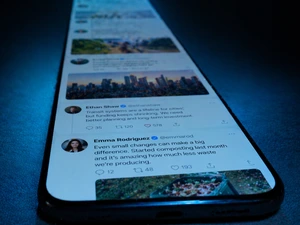
A California federal judge ruled in late March 2026 that Meta and YouTube were negligent in a case centered on the harm their platforms caused to teenage users, marking one of the most significant legal findings against major social media companies over youth safety. The ruling, reported by NPR on March 27, 2026, found that the platforms’ design choices - including algorithmic recommendation systems - contributed to documented harm in younger users.
The decision landed in the middle of an ongoing national conversation about whether social media companies bear legal responsibility for the mental health effects of their platforms, a debate that had been building in courtrooms and state legislatures for several years. For many parents and advocacy groups who had argued that platform design was not incidental but intentional, the ruling represented a meaningful shift in how courts were willing to evaluate that question.
What the Court Found
The negligence finding centered on the platforms’ role in exposing minors to content and engagement loops that researchers and plaintiffs’ attorneys argued were designed to maximize time spent on the apps regardless of the impact on user wellbeing. According to NPR’s reporting, the judge’s ruling addressed the structural features of the platforms - not just individual content - as the basis for liability.
The case is part of a broader wave of litigation targeting social media companies over youth harm. Hundreds of similar cases have been consolidated in federal court, with plaintiffs arguing that platforms knowingly designed products that were psychologically harmful to adolescents. The March ruling advances the legal theory that design itself, not just content moderation failures, can constitute negligence.
Industry Response and What Comes Next
Meta and YouTube had argued that Section 230 of the Communications Decency Act - the federal law that broadly shields online platforms from liability for user-generated content - protected them from the claims in the case. The ruling’s treatment of that defense, and how far it extends liability to algorithmic design rather than specific content, is expected to have implications across the broader litigation landscape.
Both companies have consistently maintained that they invest significantly in youth safety tools and parental controls. Representatives did not issue detailed public responses to the specific ruling by the time of NPR’s reporting.
Two Audiences, One Verdict
The ruling drew different reactions from two distinct groups watching closely. For parents of teenagers - particularly those who had observed behavioral changes they attributed to heavy platform use - the finding validated concerns that had often been dismissed as anecdotal. For the tech and legal communities, the more consequential question was what the ruling meant for Section 230 precedent and whether design-based liability claims would survive appellate review.
That tension captures what makes this a defining American Spectacle moment: a legal system trying to catch up to a technology that reshaped adolescent social life before policymakers or courts had frameworks to evaluate it. The verdict does not resolve that tension - but it moves the line.
References: Meta and Google Are Found Liable in Teen Social Media Trial | Meta and YouTube are found negligent in a landmark youth social media trial

The News Command team was assisted by generative AI technology in creating this content
Trending





Read More

Read More

Read More

Read More



Read More


Read More

Read More

Read More

Read More

Read More
Read More

Read More

Read More

Read More